
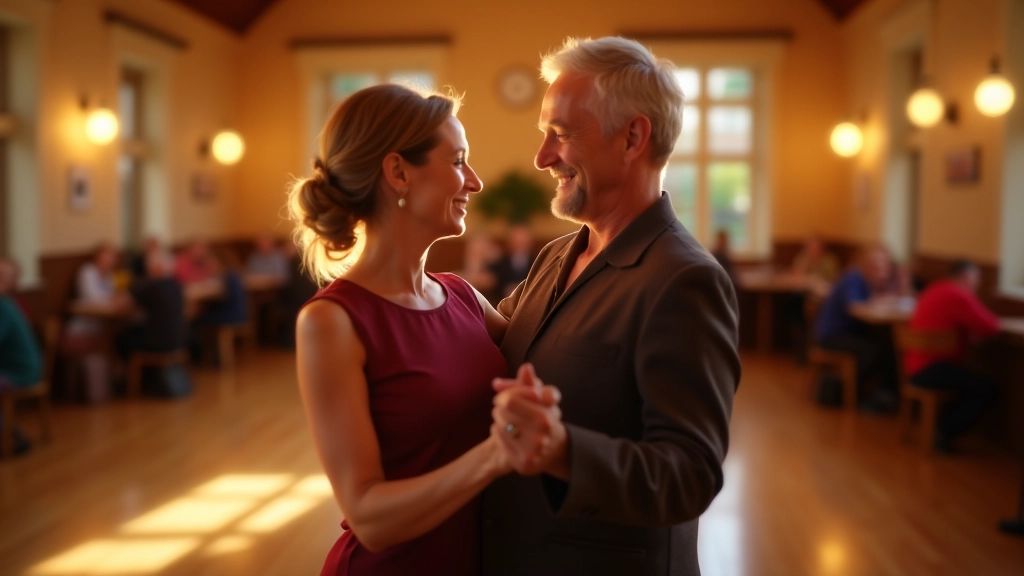
First Steps in Bachata — What Beginners Actually Need to Know
Bachata looks complicated until you break it down. We cover the basic step, common mistakes, and why your first few classes might feel awkward — but that's completely normal.
Read Guide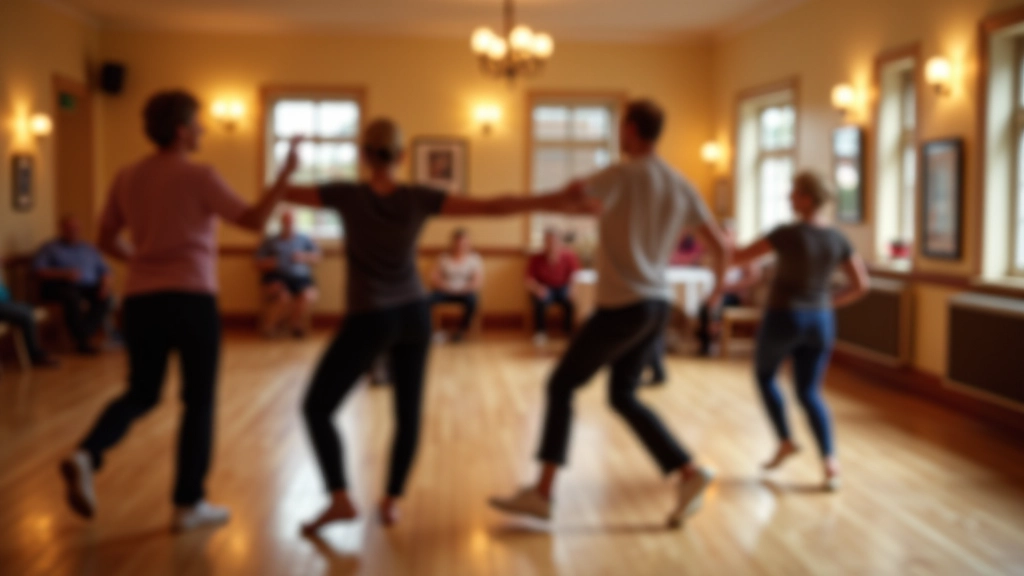
Learn bachata and salsa fundamentals in welcoming community halls across Waterford and Wexford
Navigate through our resources and guides for beginner dancers
In-depth guides to help you understand dance styles and find the right school
Bachata looks complicated until you break it down. We cover the basic step, common mistakes, and why your first few classes might feel awkward — but that's completely normal.
Read Guide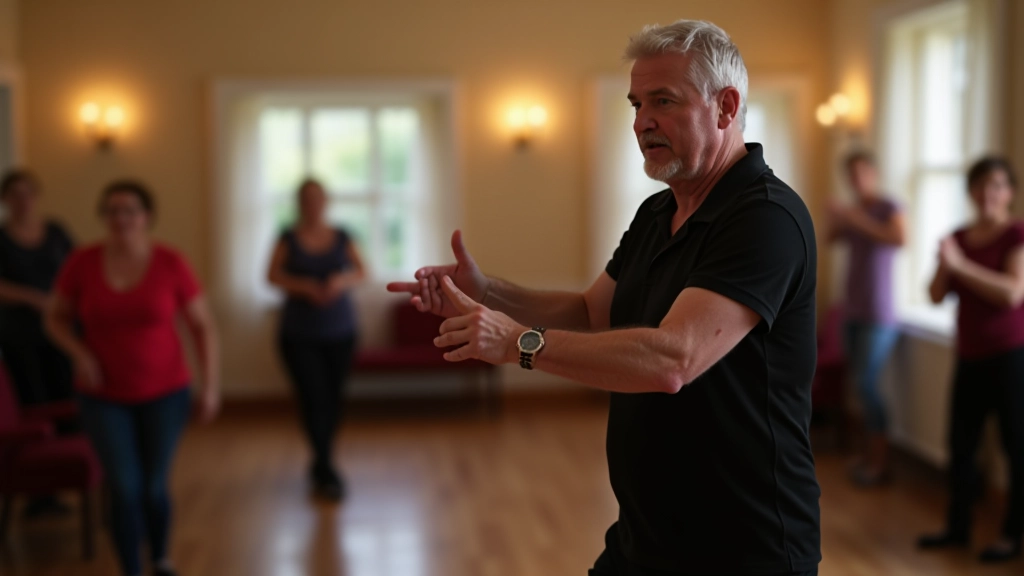
Salsa's rhythm takes practice, but the basic step is straightforward. We break down timing, posture, and how to avoid the most common beginner struggles in the first month.
Read Guide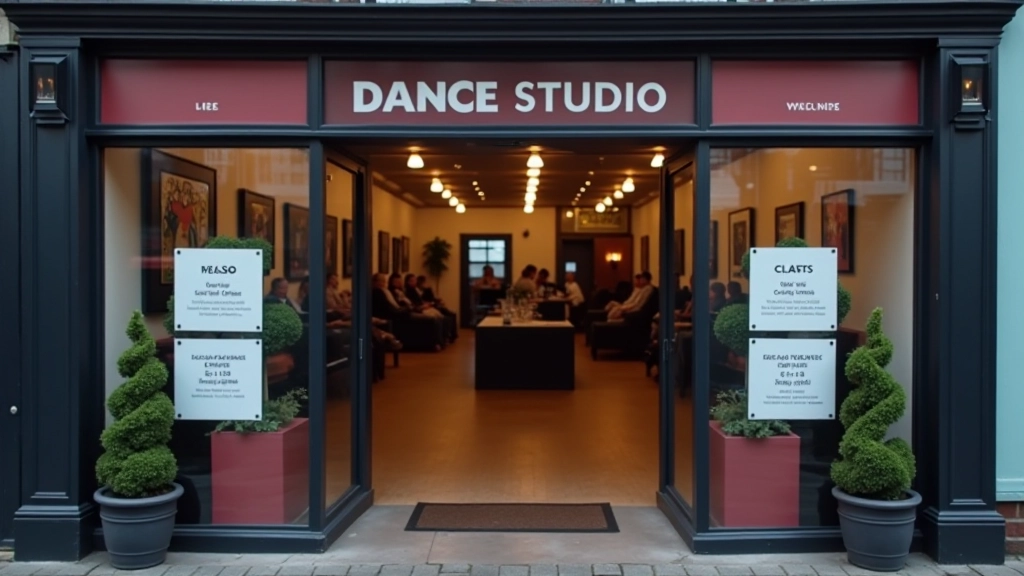
Not all dance schools are the same. We outline what to look for — instructor experience, class size, schedule flexibility, and whether a school genuinely welcomes mature beginners.
Read GuideDancing isn't just fun — it's genuinely good for you. We're not talking about vague wellness promises. Real benefits come from regular movement in a social setting.
Consistent practice improves your body awareness and stability. Most people notice changes in posture within 6-8 weeks.
Learning choreography and responding to music keeps your brain active. You're solving movement problems in real time.
You're in a room with people who share your interests. That's how friendships form. Isolation drops, confidence grows.
Dancing elevates your heart rate without feeling like exercise. You're moving continuously for 60-90 minutes without watching a clock.
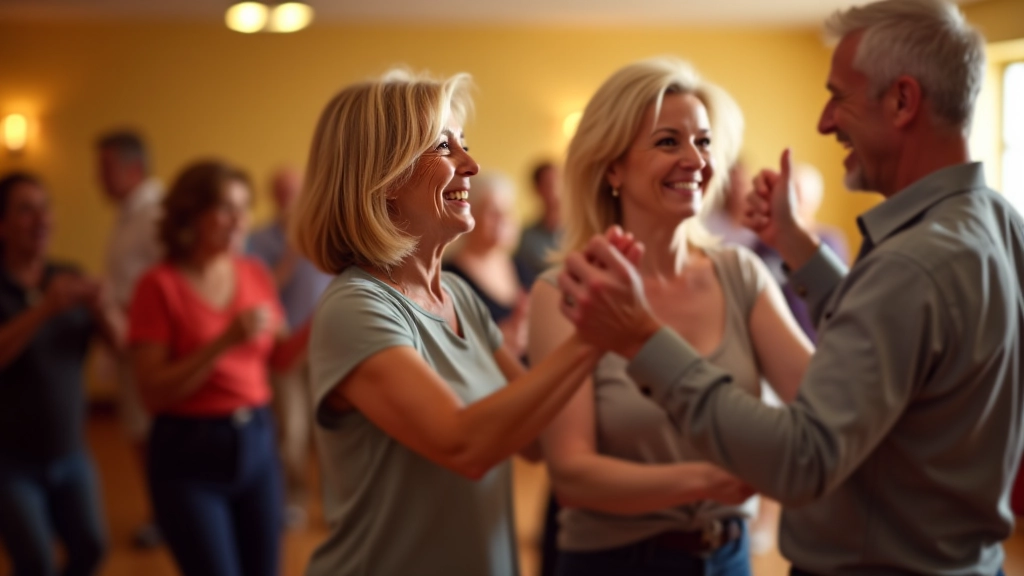
What happens in your first weeks of learning dance
You'll learn the foundational step pattern. It feels awkward at first — that's normal. Your body needs time to build muscle memory. Instructors know this. They don't expect perfection.
The step starts feeling natural. You're thinking less about your feet and more about the music. You might even dance with a partner without counting out loud.
You're picking up variations and styling. Other dancers in class notice you're improving. You're not just learning choreography — you're becoming a dancer.
You belong in that class. You have friends there. You're thinking about the next social dance event or whether you'll try the advanced group.
"I wasn't sure I'd fit in honestly. But the instructor didn't make it awkward that I didn't know anything. Everyone in the class is there to learn, not to judge. After three months I'm going to social dances on weekends. Never thought I'd do that at my age."
Mature Adults Started Dancing
Schools Across Ireland
Average to Feel Confident
is the average age of our dancers
per session of focused learning
per week recommended for progress
until you feel genuinely comfortable
What mature beginners actually want to know
No. Most beginner classes rotate partners so you don't dance with the same person every time. You'll learn with different people, which actually helps you adapt faster.
Rhythm isn't something you're born with or without. It develops through practice. Instructors teach you to count and feel the beat. By week 4, most people notice rhythm clicks into place.
Comfortable clothes you can move in. Avoid tight jeans. Soft-soled shoes (dance shoes, trainers, or soft leather shoes) are better than hard-soled shoes. You'll learn what works best after your first class.
Depends what "good" means. You'll feel competent in 6-8 weeks. You'll still be learning a year in. The goal isn't perfection — it's enjoying yourself and dancing with confidence.
Absolutely. Life happens. Most people find their skills come back within a class or two. Schools in Waterford and Wexford understand this — it's a mature, flexible community.
It's different, not better. Dancing gives you cardio and coordination without staring at a wall. You're also getting social interaction, which gyms don't. Many people do both.
Visit a beginner class at each school. Watch the instructor and how they interact with students. Does the room feel welcoming? Are people different ages? Do you feel comfortable? Trust your gut.
Most schools offer beginner classes specifically for people new to dance. Some also have open classes where all levels mix. Beginners do better in beginner-focused classes at first.
Bachata is slower, more romantic, and easier to learn. Salsa is faster and livelier. Most schools teach both. Try each and see which you prefer — there's no wrong choice.
You don't need experience, a partner, or perfect rhythm. You just need to show up. Get in touch and we'll help you find the right class for you.
Contact a School Near You