Beginner
9 min read
Salsa Fundamentals for Adults Over 45
Salsa's rhythm takes practice, but the basic step is straightforward. We break down timing, posture, and how to avoid the most common beginner struggles in the first month.

Getting Started With the Basic Step
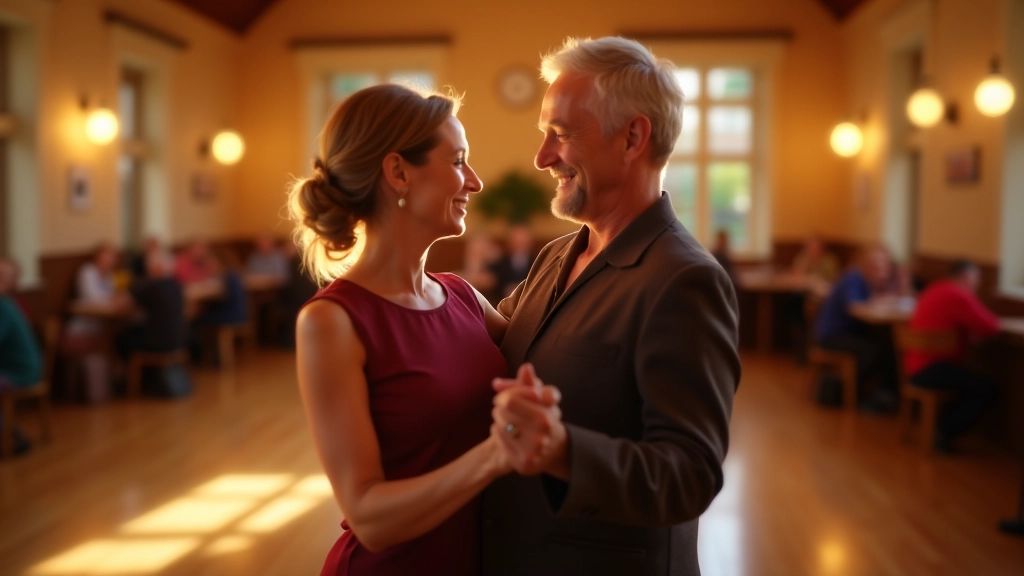
The basic salsa step—we call it the "one-two-three, pause, five-six-seven, pause" pattern—isn't complicated once you hear it. What catches most beginners is the connection between the beat and your feet. You're not thinking about the rhythm the way you would in other dances. Salsa's all about feeling the pulse and letting your hips follow naturally.
In the first week, don't worry about style or speed. We focus on where your weight goes and when. Most people over 45 who've never danced before worry they'll be too stiff or their bodies won't cooperate. That's not what we see. What actually happens is you're more aware of your posture, which is brilliant. You stand taller, you're present, and that translates into better movement right from the start.

Posture and Frame Matter More Than You Think
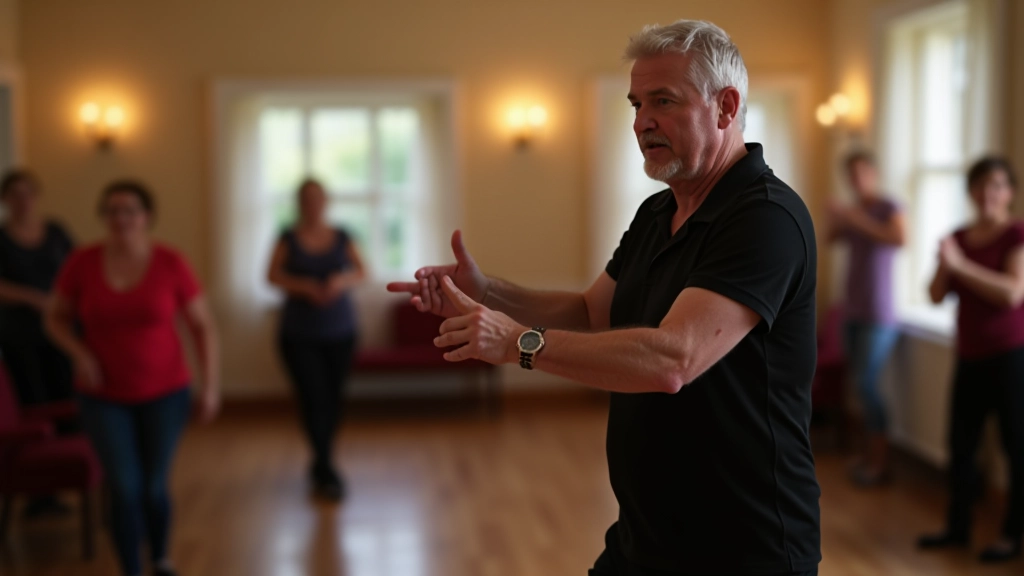
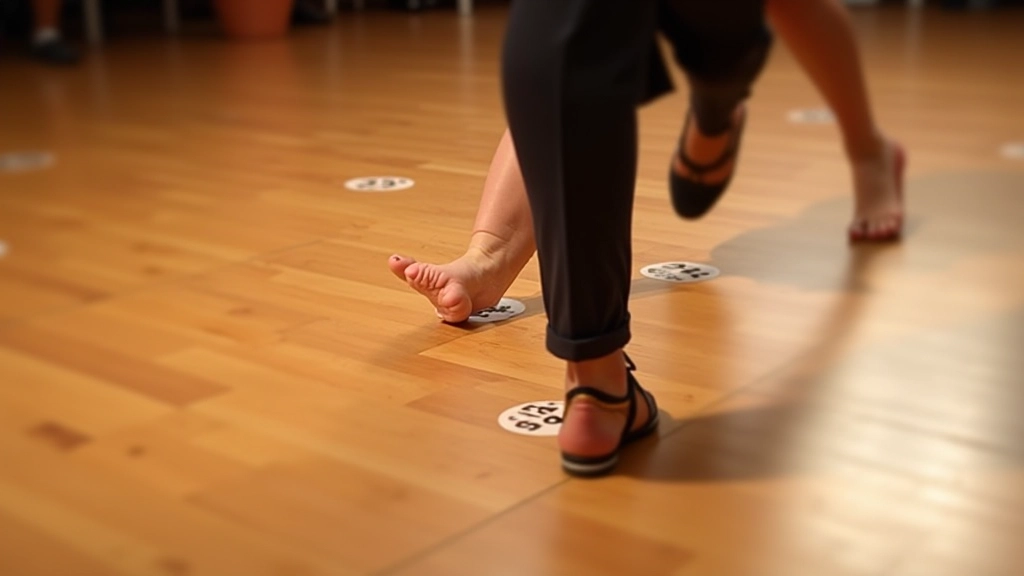
Here's what we tell everyone: your frame is your conversation with your dance partner. It's not about being stiff or formal. It's about connection. You'll want your shoulders relaxed—this isn't ballroom, you're not holding yourself like a statue. Your core stays engaged, but your shoulders drop away from your ears. We spend time on this because poor posture kills your movement.
Most beginners hunch forward slightly or lock their knees. Both habits stop the hip movement from flowing naturally. When your posture is right, your hips follow the rhythm without you thinking about it. It's like your body knows what to do once you get out of your own way. Takes about 3-4 weeks of consistent practice before this feels automatic.
Common Struggles in Month One
We've seen these challenges hundreds of times. Here's how to move past them.
Counting the Beat
You're counting "1-2-3" but your feet are on "5-6-7." It's disorienting. Solution: Don't count out loud during class. Listen to the music instead. Your body understands rhythm better than your brain does.
Hip Movement
It feels unnatural at first. Your knees need to soften—that's where hip movement comes from. We're not asking you to move like you're 25. You're moving with control and awareness. Takes 2-3 sessions before it feels right.
Partner Connection
You're worried about leading or following wrong. Here's the truth: your partner wants you to succeed as much as you do. Communication through your frame beats perfect steps every time. Everyone's learning.
Building Consistency
One class per week isn't enough for most beginners. You'll see real progress with two sessions weekly. After 6-8 weeks of consistent practice, the basic step becomes muscle memory.
Choosing Your Shoes
You don't need expensive dance shoes to start. Any smooth-soled shoe works—leather-bottomed shoes, dance shoes, even clean sneakers. What matters is being able to pivot without your foot catching the floor.
Managing Fatigue
Salsa's more cardiovascular than you'd expect. You'll feel tired after your first few classes—that's normal. Bring water, warm up before class, and don't push yourself to exhaustion. Your body adapts quickly.
Your First Three Months: What to Expect
1
Weeks 1-2: Foundation
You're learning the basic step, understanding timing, and building muscle awareness. Your feet might feel clumsy. That's fine. Everyone feels this way at the start.
2
Weeks 3-6: Rhythm Clicks
Around week 3 or 4, something shifts. The counting stops being a puzzle. Your body starts anticipating the beat. You're not thinking about each step anymore.
3
Weeks 7-12: Building Confidence
You're introducing simple turns and spins. Partner connection feels more natural. You're not staring at your feet anymore. You're actually enjoying the music and the social aspect.

Practice Outside the Studio
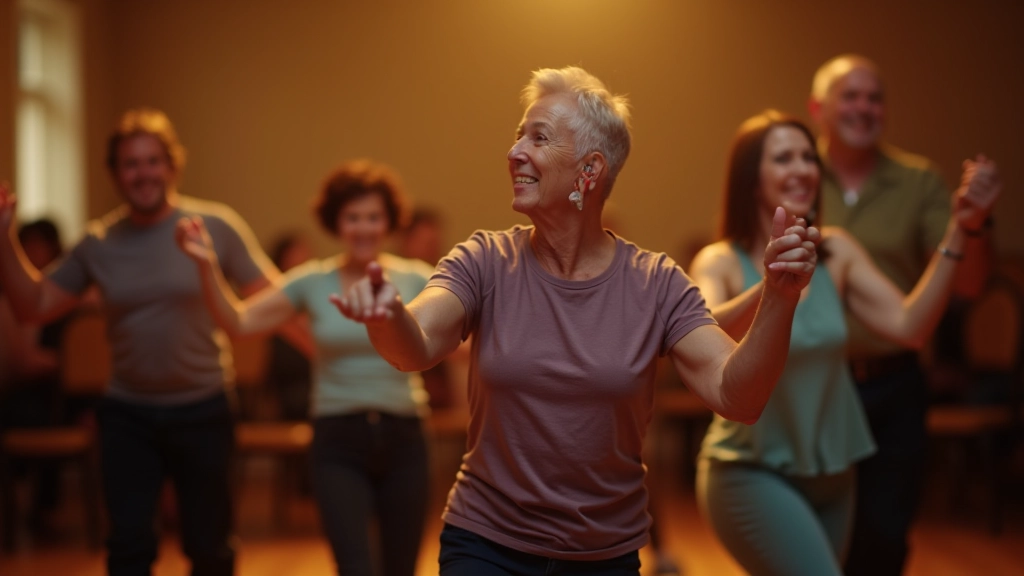
You don't need a fancy setup. A mirror and some space is enough. Even 15 minutes at home between classes speeds up your progress dramatically. Put on a salsa track, practice the basic step, and pay attention to your posture.
We recommend practicing to the same songs your instructor uses in class. Your brain and body start recognizing the rhythm pattern. After a few weeks, you're anticipating the beat before it even comes. That's when you know it's becoming part of you.
Don't overthink it. Put on music you enjoy, move with intention, and remember you're not performing for anyone. This is for you—to feel stronger, more coordinated, and more connected to your body.
You're Ready to Start
The hardest part is showing up to that first class. Everything we've covered here—the basic step, posture, the timeline for progress—you'll experience it yourself. And you'll probably discover that the community around salsa is just as important as the dancing itself.
Adults over 45 bring something special to dance classes: patience, self-awareness, and a genuine desire to improve. You're not here to be perfect. You're here to learn, move your body, and have fun. That mindset will take you further than perfect footwork ever could.
Ready to find a salsa class near you?
Explore Dance Schools in Your AreaEducational Note
This article provides general information about salsa fundamentals for beginners. Individual results and learning timelines vary based on personal fitness, coordination, and practice frequency. If you have any joint issues, balance concerns, or health conditions, consult your doctor before starting any new physical activity. A qualified dance instructor can provide personalized guidance tailored to your specific needs and abilities.