First Steps in Bachata — What Beginners Actually Need to Know
Bachata looks complicated until you break it down. We cover the basic step, common mistakes, and why your first few classes might feel awkward — but that's completely normal.

What Is Bachata, Really?
Bachata's a partner dance that came from the Dominican Republic. It's slower than salsa, more intimate, and honestly — it's easier to learn if you're starting from zero. The basic step is just a side-to-side movement with a little hip action. That's it. No fancy footwork required on day one.
The music's got a distinctive rhythm. It's got four counts, and you'll step on one, two, three, then pause on four. After that you'll step on five, six, seven, pause on eight. Once you've done it a few times, your body starts understanding the pattern without you having to think about it.
The Basic Step Breakdown
Here's the thing — you're not going to nail it perfectly in your first lesson. That's normal. Most people feel awkward for the first three or four classes. Your feet don't know what to do, your hips feel stiff, and you're thinking about where your hands should be. But this confusion? It passes faster than you'd think.
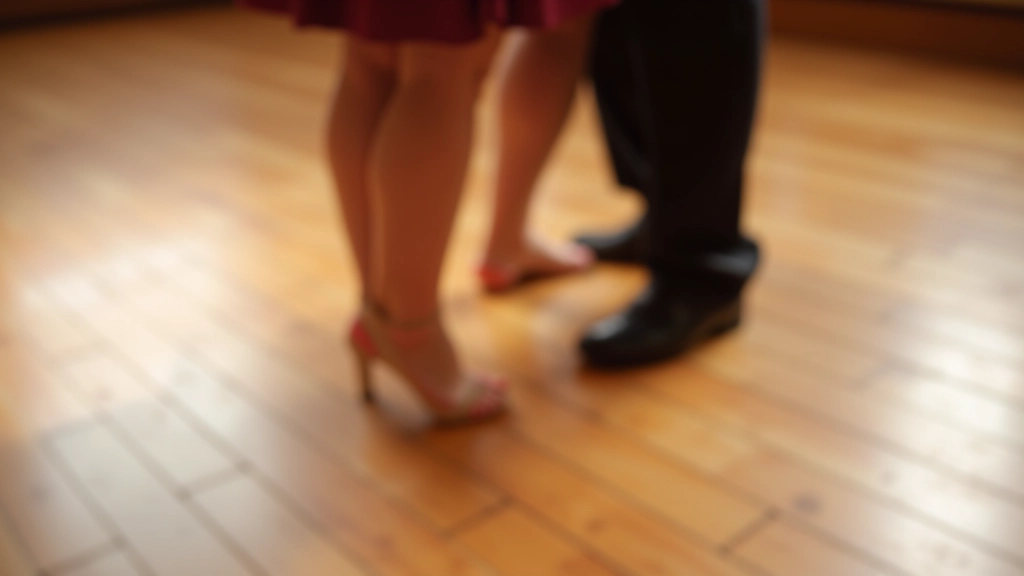
The basic step has three main parts. First, you'll step to the side with your left foot. Second, you'll bring your right foot to meet it. Third, you'll step back with your left. Then you'll do the same thing going the other direction. The fourth and eighth counts? Those are where the hip movement comes in naturally. You're not forcing it — it just happens when you step.
Key tip: Don't overthink the hips. Focus on the footwork first. The hips follow naturally once your feet understand the rhythm. Most beginners try to move their hips deliberately, and it looks forced. Let it happen on its own.
Common Beginner Mistakes (and How to Avoid Them)
We've seen thousands of beginners walk through dance halls across Waterford and Wexford. There's a pattern to what trips people up. Most of it's easy to fix once you know what you're doing wrong.
Rushing the rhythm
You'll see this constantly. Beginners try to move too fast because the music sounds slow and they think they're missing something. But bachata's about control. The basic step takes the full eight counts. Don't speed it up. Let the music guide your pace.
Stiff upper body
Your shoulders shouldn't be locked in place. You're dancing, not standing at attention. Keep your shoulders relaxed and let them move naturally with the music. The connection between you and your partner happens through your upper body, not just your hips.
Forgetting to listen
Bachata music has a story. It's emotional. If you're just counting steps in your head, you're missing the whole point. Listen to the guitar, the vocals, the percussion. Once you connect with the music, the movement becomes easier because you're dancing to something, not just executing steps.
The Partner Connection Matters
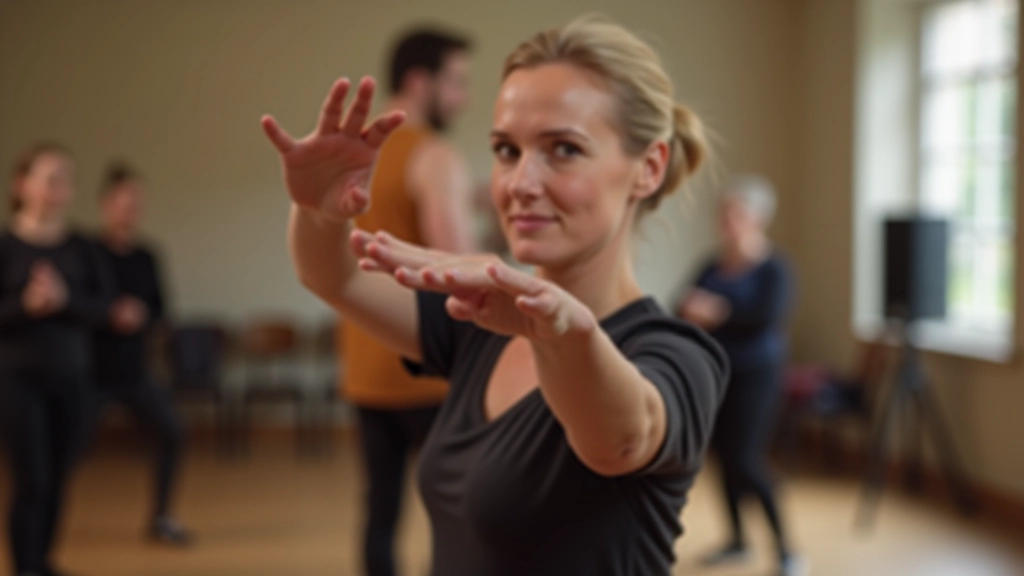
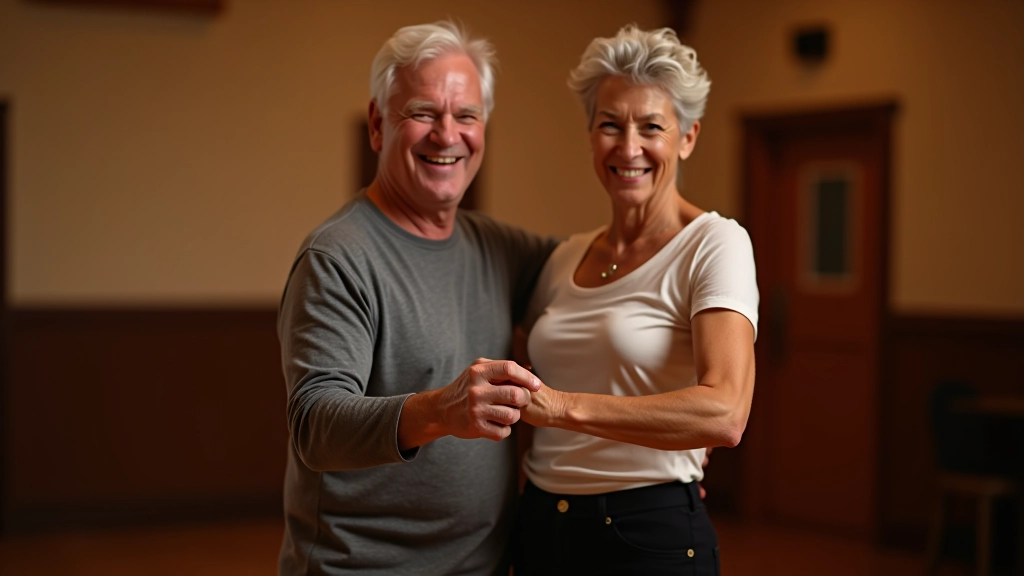
Bachata isn't a solo dance. You're dancing with someone, and that changes everything. The connection between partners is what makes bachata feel different from other dances. It's closer, more personal, and honestly — that's what draws people to it in the first place.
When you're starting out, don't worry about being perfect. Your partner's probably nervous too. What matters is that you're both trying. The frame — that's the position of your arms and body relative to your partner — will develop naturally over time. You'll figure out where to put your hands. You'll learn how much pressure to apply. But this takes weeks, not days.
In the beginning, just focus on your own footwork. Keep your posture upright. Make eye contact occasionally. These small things build confidence. Once you're comfortable with the steps, the partnership becomes the fun part. You're communicating without words. Your partner leads, you follow, and together you're creating something that looks and feels beautiful.
What to Expect in Your First Month
1
Week One: Confusion and Discovery
You'll walk into class feeling nervous. The music's playing, people are dancing, and you're thinking "Can I actually do this?" By the end of the first session, you'll have learned the basic step. You won't be smooth. Your timing won't be perfect. But you'll understand the pattern. That's success on day one.
2
Weeks Two and Three: Repetition and Confidence
You'll repeat the same step over and over. It might feel boring, but this is where the magic happens. Your body's learning without you having to think. By week three, you won't need to count out loud. You'll feel the rhythm in your feet. Your hips will start moving naturally. You'll notice other people in the class, and you won't feel completely lost anymore.
3
Week Four: Real Progress
By the end of month one, you'll actually look like you're dancing. Not like an expert, but like someone who knows what they're doing. You'll be able to dance to a full song without stopping. You'll recognize variations your instructor introduces. Most importantly, you'll want to come back. That's when you know it's going to stick.
Reality check: Everyone progresses at their own pace. Some people get the basic step in one class. Others need three weeks. Neither is wrong. Maturity actually works in your favour — you've got patience and life experience that younger dancers don't have yet.
Practical Tips for Your First Classes
You're ready to start. Here's what'll actually help you succeed in those early weeks.
Wear comfortable shoes
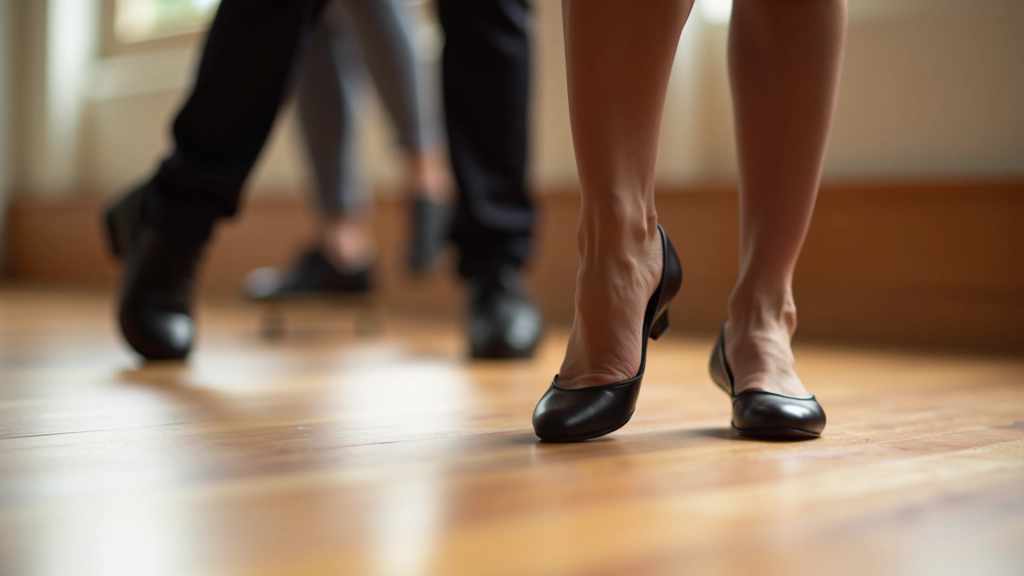
Your feet matter. Wear shoes with a smooth sole so you can pivot and turn without your shoe sticking to the floor. Trainers with thick rubber soles will trap your foot and make pivoting harder. Dance shoes or soft leather-soled shoes are ideal. If you don't have dance shoes yet, any flat shoe with a smooth bottom works fine.
Get there early
Arrive 10 minutes before class starts. You'll have time to settle in, meet the instructor, and ask any questions you've got. You won't feel rushed. Plus, you'll get a chance to watch the instructor demonstrate the steps without a room full of people around you.
Don't apologize for being a beginner
Every single person in that room started exactly where you are. They've all felt awkward. They've all made mistakes. Good instructors know this. The community halls across Waterford and Wexford are filled with people who remember their first day. You're not an imposition — you're part of the dance community now.
Listen to bachata outside of class
Put on some bachata while you're cooking, cleaning, or just relaxing. Juan Luis Guerra, Romeo Santos, Aventura — these are names you'll hear in class. Getting familiar with the music helps your body understand the rhythm faster. You'll recognize songs when they play in class, and that familiarity builds confidence.
You're Ready to Start
Bachata's accessible. The basic step isn't complicated. You don't need special athleticism or previous dance experience. What you need is patience with yourself and a willingness to look a bit silly for a few weeks. That's it.
The real benefit isn't just learning a new skill. It's the community. It's moving to music with other people who are on the same journey. It's discovering that your body can do things you didn't think were possible. And it's having genuine fun while you're doing it.
So find a class in your area — Waterford and Wexford have great options — and show up. Wear comfortable shoes. Listen to the music. Be patient with yourself. By week four, you won't be thinking about whether you can do this anymore. You'll just be enjoying it.
Important Disclaimer
This article provides educational information about bachata dance basics. The techniques and timelines described here represent typical beginner experiences, but everyone learns at their own pace. If you have any physical limitations, injuries, or health concerns, consult with a healthcare professional or certified dance instructor before starting classes. Dance instructors can provide personalized guidance based on your individual needs and abilities. The information here is intended to introduce bachata concepts — it's not a substitute for hands-on instruction from a qualified professional.