Why Dancing After 45 Benefits Your Health and Social Life
It's not just about the music. We explore the real benefits — coordination improvement, social connection, and how Irish community halls are creating spaces where mature dancers thrive together.

The Physical Changes You'll Actually Notice
Most people think dancing is just cardio. But it's so much more. When you're learning bachata or salsa, your body's doing real work — balance, coordination, muscle memory. We're not talking about jumping around a gym. This is controlled, purposeful movement.
After about 6-8 weeks of regular classes, people notice things they didn't expect. They're standing taller. Their knees don't ache as much. They're steadier on stairs. Some folks tell us they've got better posture just from learning proper dance frame. That's not coincidence — it's actual physical adaptation.
The hip mobility improvement is real. Salsa involves rotation from the hips, not your knees. Your spine gets more flexible. Your core strengthens without you thinking "I'm doing core work." And your cardiovascular system? Two 90-minute sessions a week will improve that significantly.
Social Connection Changes Everything
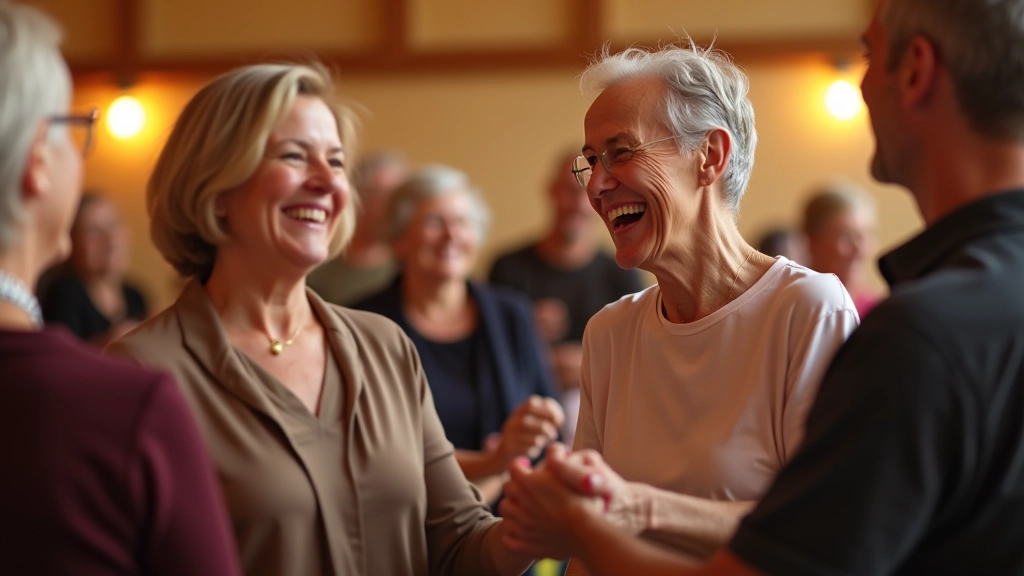
Here's what we see happen in community halls across Waterford and Wexford. People come in nervous, sometimes lonely. They're not sure about it. Within two weeks, they're chatting before class starts. By month three, they're meeting up outside the studio.
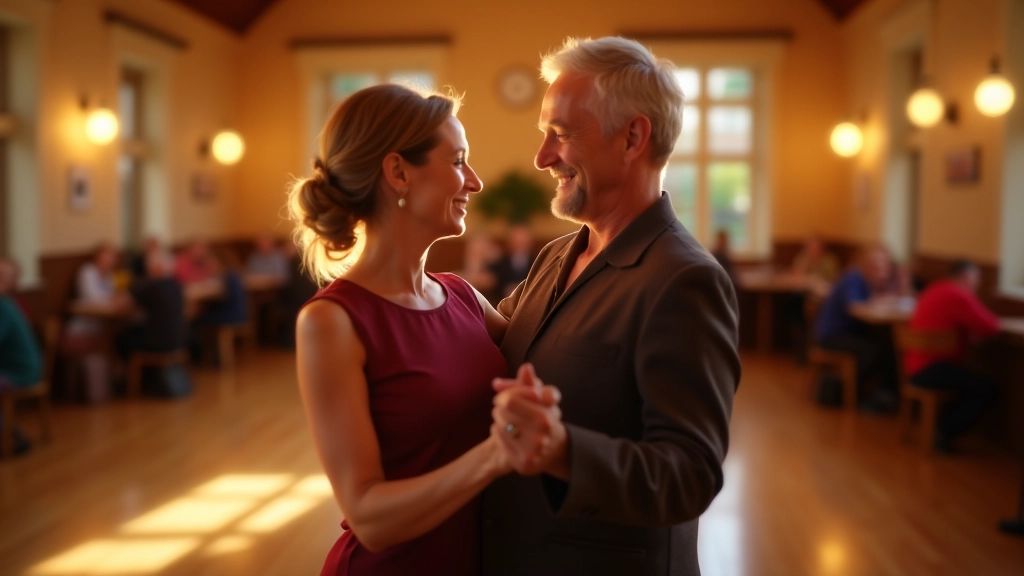
Dancing requires partnership. You're working with someone. You're not just exercising alone on a machine. There's conversation, laughter, and the occasional stumble that everyone laughs about together. That's where real connection happens — not in forced networking events, but in shared experience.
Isolation is a real problem for mature adults. Studies show loneliness affects health as much as smoking does. Dancing addresses that directly. You're in a room with 8-12 other people, all working toward the same goal. You're partners with someone. You're part of a group. That matters more than people realize.
Confidence and Mental Health
The confidence boost isn't about becoming a "good dancer." It's about learning something difficult and actually doing it. When you nail that basic step after struggling for three weeks, you feel capable. When you remember the footwork pattern without thinking, you feel sharp.
Many mature adults hit 45 or 50 and assume they can't learn new physical skills anymore. Dancing proves that wrong within the first month. Your brain's still plastic. Your body's still capable. You just needed the right activity. That realization changes how people see themselves.
The mental health piece is significant. Structured activity. Clear progression. Supportive environment. Regular schedule. All of these are protective factors against depression and cognitive decline. Dancing provides all of them without feeling like "therapy." It's just fun.
Real talk: Most people come for fitness. They stay for the community and the feeling of progress.
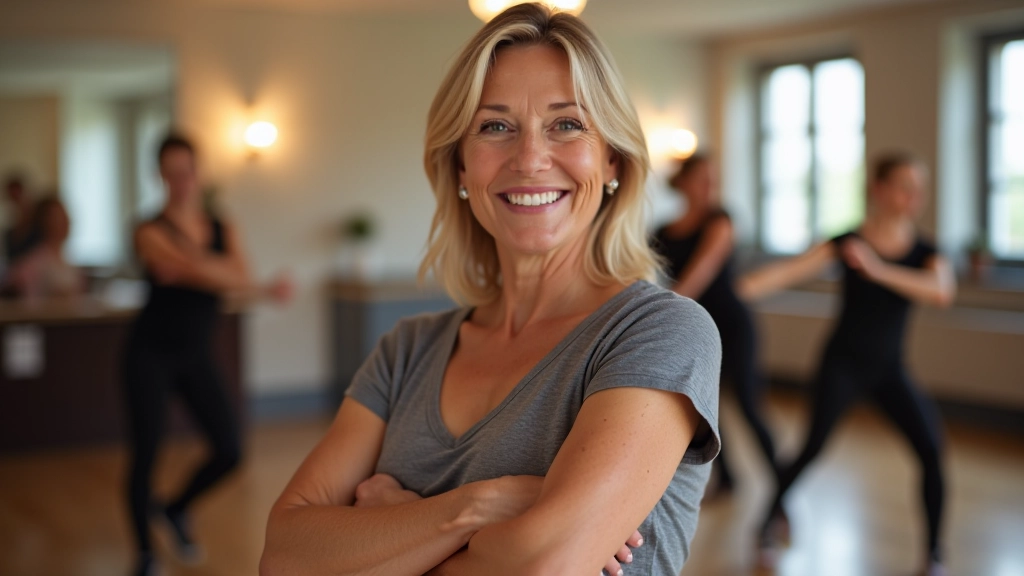
Finding Your Community in Irish Dance Halls
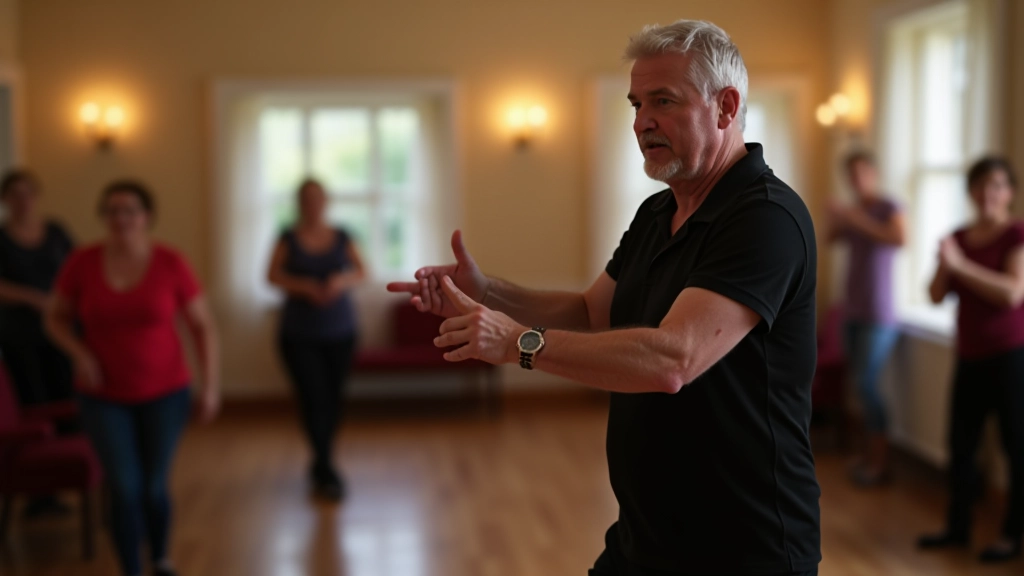
Community halls across Ireland have become hubs for adult dance learners. Places like those in Waterford and Wexford aren't fancy studios. They're practical, welcoming spaces where people show up twice a week to learn salsa or bachata. No judgment. No pretense.
What makes these spaces work? Consistent scheduling. Experienced instructors who understand adult learners. Music that actually sounds good. And crucially — a mix of people at different stages. Beginners aren't learning alongside advanced dancers. Everyone's roughly at the same level, which means everyone feels like they belong.
The social infrastructure matters too. Some halls have tea or coffee after class. People stick around and chat. Others organize social dancing events where people actually get to use what they've learned. These aren't just fitness classes — they're community events that happen to involve dancing.
Starting Out — What to Expect
First class is always awkward. You're not sure where to stand. You don't know the steps. You're watching everyone else and feeling behind. That's completely normal. Everyone in that room felt the same way their first week.
What happens next is important. By week two or three, your body's started remembering patterns. By week four, you're not thinking about your feet as much. By week eight, you're actually dancing instead of counting steps. The progression is real and measurable.
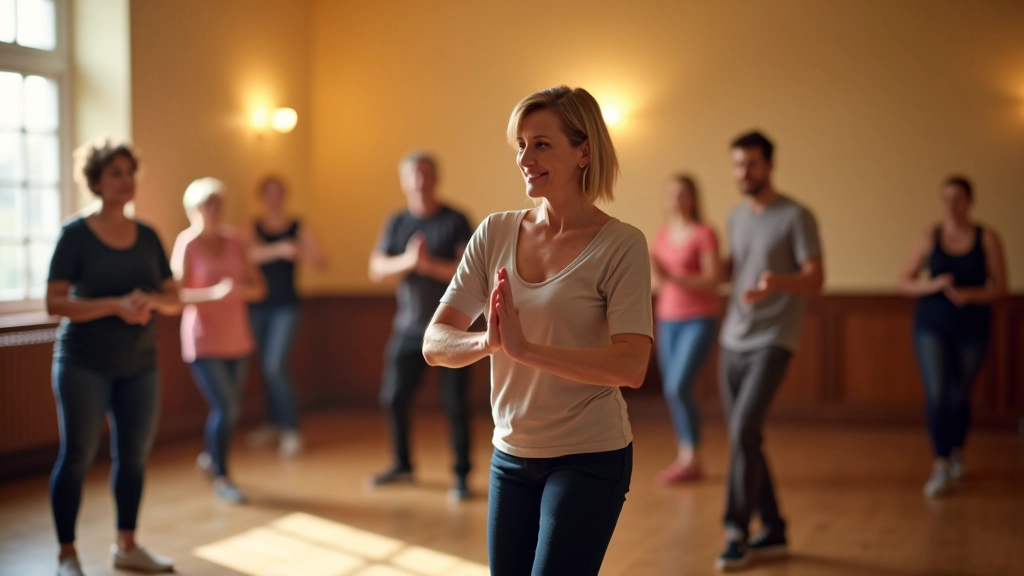
Most beginner classes run 90 minutes. First 15 minutes is warm-up and basic footwork. Next 45 minutes is learning the pattern. Last 30 minutes is practice, sometimes with a partner rotation. Wear comfortable clothes, bring water, and show up twice a week for best results. That's really it.
The investment is small. Classes typically run €10-15 per session. No special equipment needed. No membership to a gym. Just show up to a community hall at the scheduled time. The barrier to entry is low, which is exactly why it works for so many people who've never danced before.
The Real Benefit Is You
Dancing after 45 isn't about becoming a performer. It's about taking your body seriously. It's about proving to yourself that you can learn new things. It's about being in a room with other people who are also trying, also sometimes struggling, also laughing when someone gets the timing wrong.
The physical benefits are real — better balance, stronger core, improved cardiovascular fitness, increased hip mobility. The social benefits are real — genuine friendships, weekly rhythm, sense of belonging. The mental health benefits are real — confidence, cognitive engagement, purpose.
But the deepest benefit? It's the feeling that life isn't fixed. You're not locked into who you were at 40. You're capable of growth. You're capable of challenge. You're capable of joy. And that changes how you see yourself and your future.
Important Disclaimer
This article is educational and informational only. It's not medical advice. Before starting any new exercise program, especially if you have existing health conditions, joint concerns, or haven't exercised regularly, we recommend consulting with your doctor or a healthcare provider. Every person's fitness journey is different. What works well for one person might need modification for another. Dance instructors in Irish community halls are experienced with mature learners and can suggest modifications, but your health and safety always come first.
Related Articles